
The Use of AI in Medical Diagnostics
Artificial intelligence is rapidly transforming how diseases are detected, diagnosed, and managed. By analyzing vast amounts of clinical data with speed and precision that surpasses traditional methods, AI is becoming an indispensable tool across the diagnostic industry. The following outlines its four primary benefits.
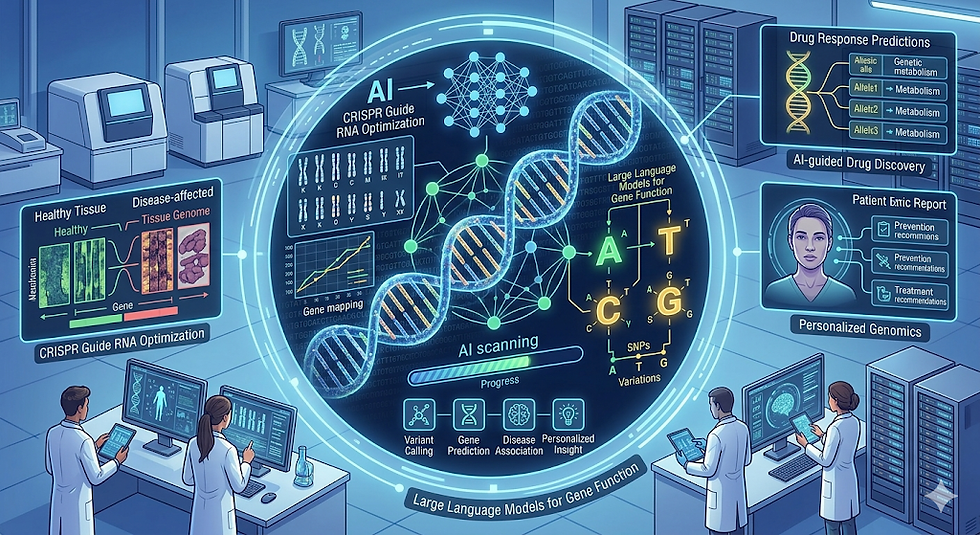
1. Enhanced Accuracy & Early Detection
AI excels at identifying patterns that are subtle or invisible to the human eye. In radiology, AI models for breast cancer detection are reaching accuracy rates above 94%, flagging tiny anomalies in X-rays, MRIs, and CT scans earlier than conventional approaches. Beyond imaging, AI can analyze longitudinal data — years of medical history — to predict the risk of conditions like heart disease or neurological disorders before symptoms even appear.
2. Significant Speed & Efficiency
Turnaround time is a critical factor in patient outcomes. AI can process vast amounts of data in seconds, delivering a 20–40% faster diagnostic turnaround. AI algorithms also perform automatic triage: when a potential life-threatening issue such as a stroke or pulmonary embolism is detected, that scan is immediately elevated to the top of the radiologist’s queue for urgent review.
3. Reduced Clinician Burnout
The healthcare industry faces a chronic shortage of specialists, and AI helps bridge this gap by handling the data-intensive work. Ambient AI scribes now automate clinical documentation, saving doctors an average of two or more hours per day — allowing them to focus on the patient rather than the screen. By filtering out noise and surfacing only the most relevant clinical findings, AI also reduces the cognitive load associated with reviewing thousands of images or data points daily.
4. Personalized & Precision Medicine
Rather than a one-size-fits-all model, AI enables a tailored diagnostic approach. By integrating genetic data, lifestyle factors, and medical history, AI can suggest the most effective treatment pathways for each individual. It also supports risk-based screening — replacing standard annual check-ups with personalized intervals, such as recommending more frequent mammograms for high-risk patients based on imaging biomarkers and family history.
Over the coming weeks, we will address each of these points in a special access report. Stay Tuned!


Comments